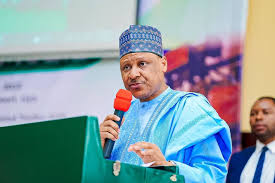
WHO Urges Nigeria to Produce 70% of Medicines Locally by 2030
The World Health Organisation (WHO) and the Nigerian Academy of Pharmacy are pushing for Nigeria to produce more of its own medicines. They made this call during a meeting on Tuesday, where they discussed the importance of local pharmaceutical manufacturing and better regulations.
Dr. Pavel Ursu, representing the WHO in Nigeria, highlighted the need to reduce reliance on imported medicines. He stated that Nigeria should aim for 70% of its medicines to be produced locally by 2030. This goal is part of a broader initiative to strengthen the country’s health security and make it less vulnerable to global supply chain disruptions.
Ursu also pointed out six areas where the WHO and the Academy could work together, including developing policies and improving the quality of medicines. He emphasized that pharmacists play a vital role in achieving universal health coverage, saying, “there is no universal health coverage without pharmacy.”
Professor Lere Baale, President of the Academy, encouraged newly inducted fellows to use their skills to improve the pharmaceutical sector. He stressed the importance of collaboration among professionals, the government, and the industry to make Nigeria a key player in pharmaceutical manufacturing in Africa.
Pharm. Stella Okoli, a recipient of a Lifetime Achievement Award, expressed gratitude for the recognition and encouraged pharmacists to remain dedicated to developing the industry. She noted that past government policies have supported local production and called for ongoing engagement to help manufacturers thrive.
Pharm. Ahmed Yakasia, a former President of the Pharmaceutical Society of Nigeria, added that pharmacists must uphold integrity and work against fake medicines. He urged them to take responsibility for ensuring the safety and quality of medicines in Nigeria.
During the ceremony, the Academy inducted 11 new fellows and also recognized two individuals with honorary fellowships.
[logo-slider]