
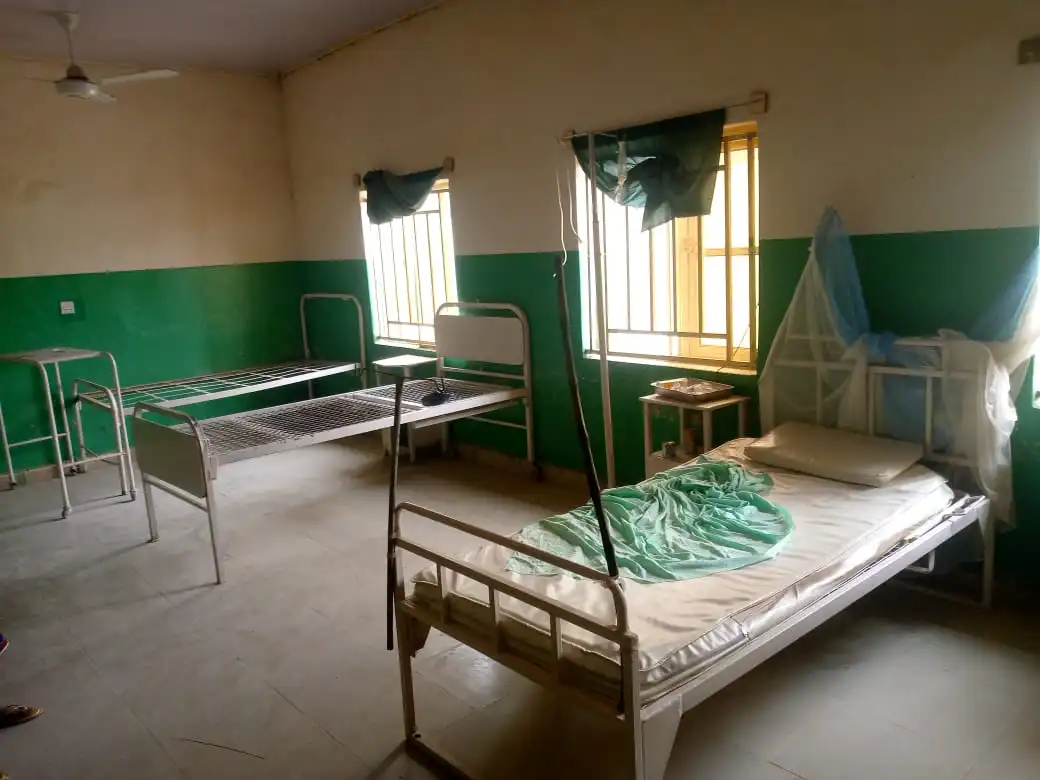
Only 20% of Nigeria’s Primary Healthcare Centers Are Fully Operational, Doctors Warn
The Society of Family Physicians of Nigeria (SOFPON) has raised concerns about the state of primary healthcare in the country. They reported that only about 20% of Nigeria’s more than 30,000 Primary Healthcare Centers (PHCs) are fully functional.
During a press conference on November 19, 2026, Vice-President of SOFPON, Dr. Ibrahim Yakubu, discussed the challenges facing primary healthcare in Nigeria. He noted that the system is in crisis due to a lack of skilled medical personnel, insufficient funding, and the migration of doctors abroad.
Dr. Yakubu emphasized that many PHCs cannot provide essential medical services because they suffer from decay, inadequate resources, and a shortage of trained health professionals. He called on the Federal Government and state governors to involve family physicians in managing these healthcare facilities.
He warned that the absence of family physicians, who are trained to provide comprehensive care, could further weaken healthcare delivery, especially in rural areas. Family physicians play a crucial role in managing both infectious diseases, like malaria and tuberculosis, and chronic illnesses, such as diabetes and hypertension.
SOFPON also highlighted that the lack of coordinated healthcare services is increasing treatment costs for families and complicating the management of patients with multiple health issues. The organization urged the government to not only build PHC facilities but also ensure they are well-equipped and staffed.
Dr. Yakubu stated that placing family physicians at the center of primary healthcare could improve early detection of chronic diseases, lower treatment costs, and enhance continuity of care. He stressed that the healthcare system cannot afford to lose family physicians, as their absence creates significant gaps in patient care.
Concerns were also raised about the working conditions of doctors, including high patient loads and security threats, which affect the quality of care. SOFPON plans to discuss these issues at their upcoming 29th Annual General and Scientific Meeting, where they will explore strategies to strengthen primary healthcare delivery in Nigeria.
[logo-slider]