
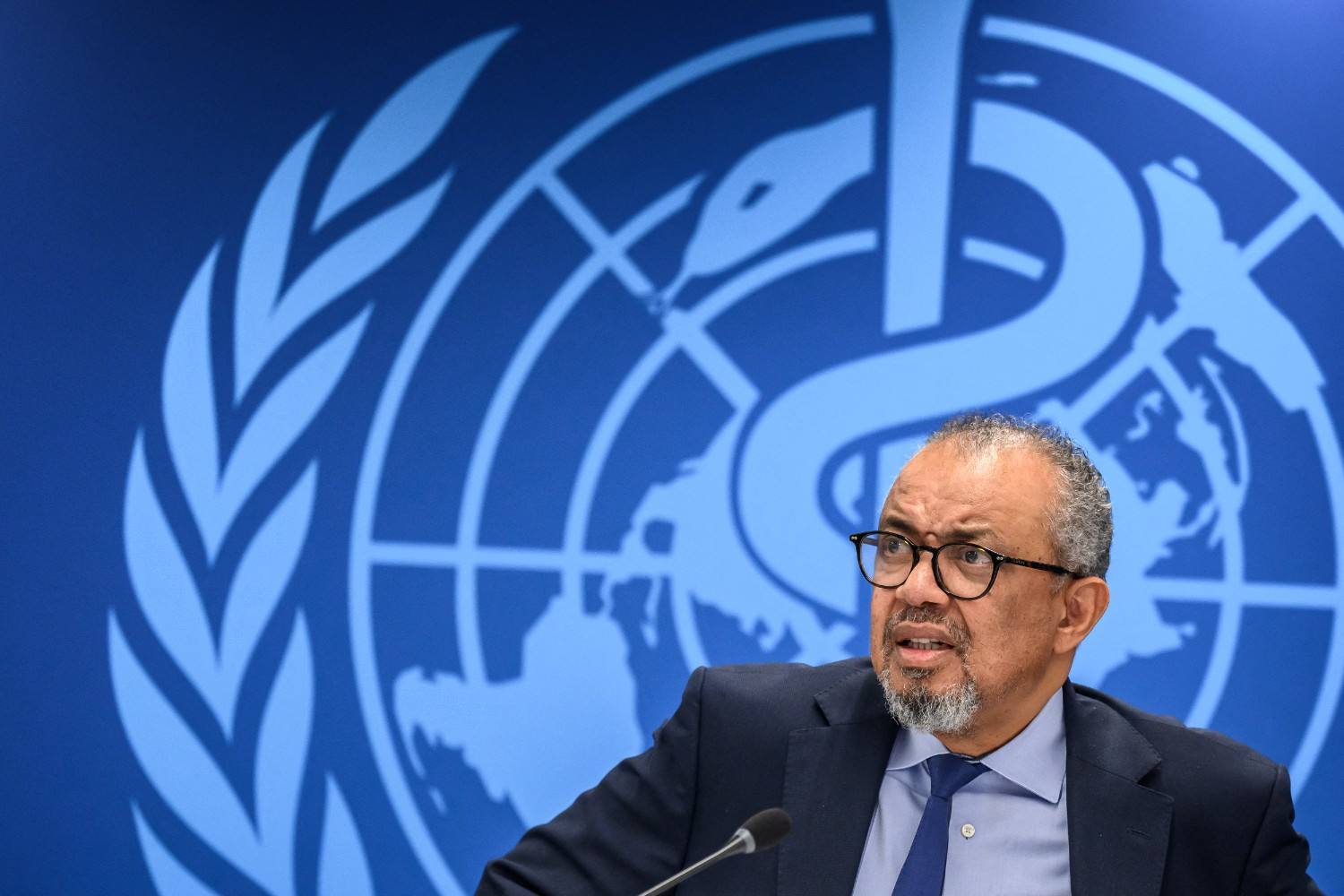
WHO Warns of Growing Threat from Antimicrobial Resistance
The World Health Organization (WHO) has raised concerns about antimicrobial resistance (AMR), which is becoming a significant threat to modern medicine. During a press conference in Geneva, WHO officials stated that while countries are making efforts to address AMR, progress in prevention, diagnosis, and proper use of antibiotics is still too slow.
AMR occurs when bacteria evolve and become resistant to the medicines designed to kill them. This issue has been exacerbated by the widespread use of antibiotics in healthcare, farming, and food production. According to WHO, AMR is now one of the leading causes of deaths from infectious diseases worldwide.
Jean-Pierre Nyemazi, an interim head of antimicrobial resistance at WHO, emphasized that AMR is a serious and ongoing issue that has been taking lives for years, often unnoticed. In 2021, AMR was directly responsible for over one million deaths and linked to approximately 4.7 million additional deaths.
A recent WHO survey of 183 countries found that nearly 90% had a national action plan to combat AMR, a significant increase from 40% in 2017. However, only 42 countries have fully financed and monitored plans. Pravasha Prakash, a technical officer at WHO, noted that while countries are making progress, they need to accelerate their efforts to meet targets set for 2030.
One major challenge in the fight against AMR is access to diagnostic tools. Currently, only 36% of countries have a national laboratory that can test for resistance in all monitored bacteria and fungi. WHO aims for this number to reach 80% by 2030. Without proper testing, doctors often treat infections without knowing the cause or which antibiotics will be effective.
In response to these challenges, WHO has introduced two new tools to help countries improve their diagnostic capabilities. These tools outline necessary tests for various healthcare levels and provide a comprehensive list of laboratory procedures.
WHO estimates that AMR could lead to around 39 million deaths by 2050 if not addressed. The organization stresses the need for better use of existing antibiotics and highlights the importance of infection prevention, vaccination, and improved access to clean water and sanitation to combat this growing threat.
[logo-slider]