
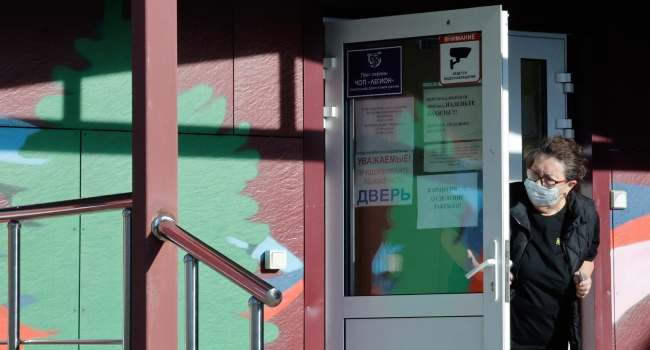
Last week, a woman died in Siberia from suspected plague, leaving many locals confused and worried. Oksana, a 35-year-old who was in a maternity ward in Shelekhov, described how hospital staff restricted movement after the news broke. She was kept there for four days, anxious about the situation.
The woman, identified as Darya Shipilova, was a 28-year-old lab worker at the Irkutsk anti-plague institute. Authorities claim she died from “pneumonia of an unknown cause” and found no evidence of infection related to her job. However, local media suggested she may have contracted the disease after breaking a test tube in the lab.
This incident has raised global concerns about a potential outbreak and led to calls for more transparency from Russian officials. Critics have pointed out that the government has a history of downplaying health crises, recalling past events like the Chernobyl disaster and the coronavirus pandemic.
In Shelekhov, many residents are grappling with rumors and misinformation. Oksana expressed her frustration, saying, “There’s so much information that I no longer know what to believe or who to listen to.” Alexandra Iskalova, a 22-year-old medical worker, shared similar feelings, noting that her mother panicked after hearing unverified reports of multiple deaths.
Despite the unease, the streets of Shelekhov appear calm. Some residents, like Alina, are worried about their children, as masks are now mandatory in schools. Others, like Tatyana, a 66-year-old woman, lamented the lack of clear guidance from officials on how to protect themselves.
The World Health Organization has urged Russian authorities to clarify reports about a second case of pneumonia linked to the Irkutsk institute. In response, the Kremlin dismissed the media coverage as mostly false. Meanwhile, US President Donald Trump has offered assistance to Russia, a gesture that locals found amusing.
[logo-slider]