Nigeria’s Exports to China Drop by N602 Billion Despite Zero Tariffs
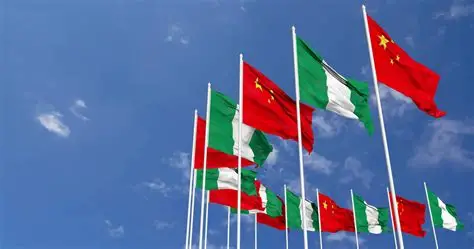
Nigeria’s exports to China decreased by about N602 billion in the second quarter of 2026. This drop occurred even though China allowed Nigerian products to enter its market without tariffs starting May 1, 2026. The decline worsened the trade gap between the two countries.
According to the National Bureau of Statistics, Nigeria’s exports to China fell by over 54% from N1.11 trillion to N506.57 billion. Meanwhile, Nigeria’s imports from China rose by nearly N956 billion, or 19%, reaching about N5.92 trillion. This led to a trade deficit with China that grew by about N1.56 trillion, or 40%, increasing from N3.85 trillion to N5.41 trillion.
The statistics show that Nigeria continues to buy much more from China than it sells. For every N1 worth of goods Nigeria exported to China, it imported around N11.68 worth of Chinese products, compared to N4.48 the previous year. China remains Nigeria’s largest source of imports, making up over 41% of Nigeria’s total import costs.
Interestingly, while exports to China fell, Nigeria’s overall exports rose by nearly 19% during the same period, increasing from N22.75 trillion to N27.02 trillion. Exports to Asia also grew by over 17%, suggesting that the decline in exports to China is not part of a broader trend affecting all Asian markets.
In fact, India has emerged as Nigeria’s top export destination in Asia, with shipments increasing by about 66%. This indicates that the drop in exports to China is not due to a general decline in trade with Asian countries.
Although the zero-tariff policy took effect on May 1, the data shows that exports to China fell by nearly 13% from the first quarter to the second quarter of 2026. The first two months of the second quarter included the new tariff policy, but the April figures do not reflect this change since the policy was not in place yet.
The zero-tariff arrangement is set to last until April 30, 2028, and aims to improve trade relations between Nigeria and China. The Chinese Ambassador to Nigeria stated that this policy would particularly benefit sectors like agriculture and manufacturing by providing better access to the Chinese market.
[logo-slider]