Eisenkot and Netanyahu Resume Coalition Talks Amid Political Divisions in Israel
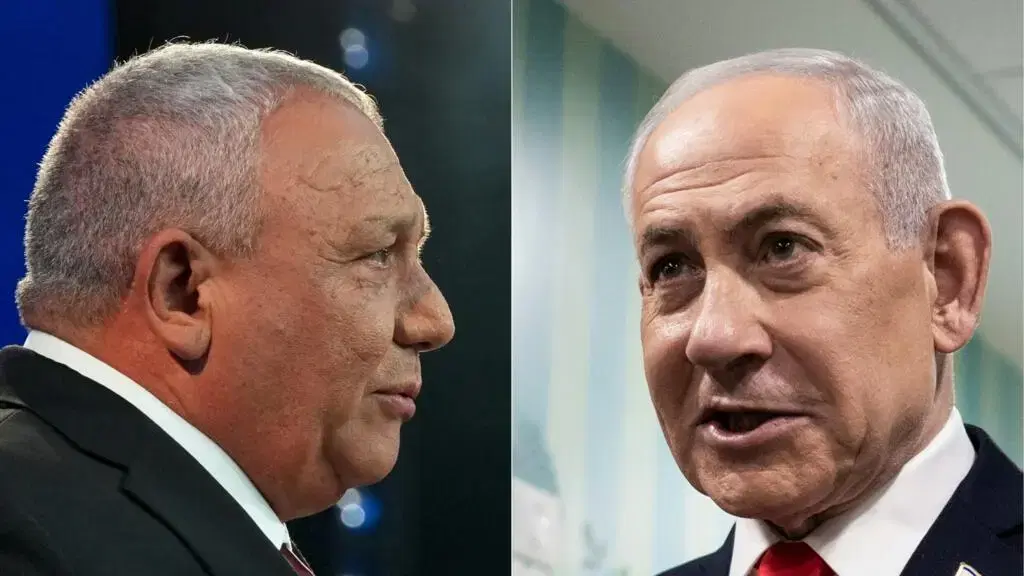
Israeli opposition leader Gadi Eisenkot and incumbent Prime Minister Benjamin Netanyahu are scheduled to meet again on Monday to continue discussions about forming a new government. This follows a previous round of talks that did not result in any agreement.
The negotiations are crucial as Eisenkot’s party, Yashar, faces internal disagreements about whether to ally with ultra-Orthodox parties, Arab-majority lists, or to form a unity government with Netanyahu’s Likud party. Eisenkot has until December 6 to establish a government, although this deadline can be extended by two weeks.
On Sunday, representatives from both parties met for nearly four hours but were unable to reach a breakthrough. A spokesperson for Likud confirmed the upcoming meeting, indicating that discussions will continue.
Yashar has expressed a commitment to forming a broad government, with Eisenkot urging his team to consider all possible options. However, Likud has set conditions for joining a unity government, including a call for an end to personal attacks and political boycotts aimed at Netanyahu.
Eisenkot’s coalition needs support from 61 lawmakers to achieve a majority in the Knesset, Israel’s parliament. If they fall short, they could still attempt to form a minority government. Meanwhile, Yair Golan, leader of the left-leaning Democrats party, has criticized the ongoing talks with Likud as insincere.
Netanyahu is advocating for a national unity government, which could involve a power-sharing arrangement between him and Eisenkot. However, Eisenkot has been clear about his unwillingness to serve in a cabinet led by Netanyahu, against whom he campaigned.
If coalition talks fail, Eisenkot has suggested he might propose a minority national emergency government for a parliamentary vote.
[logo-slider]