Minister Calls for Unified Efforts to Enhance Africa’s Textile Industry
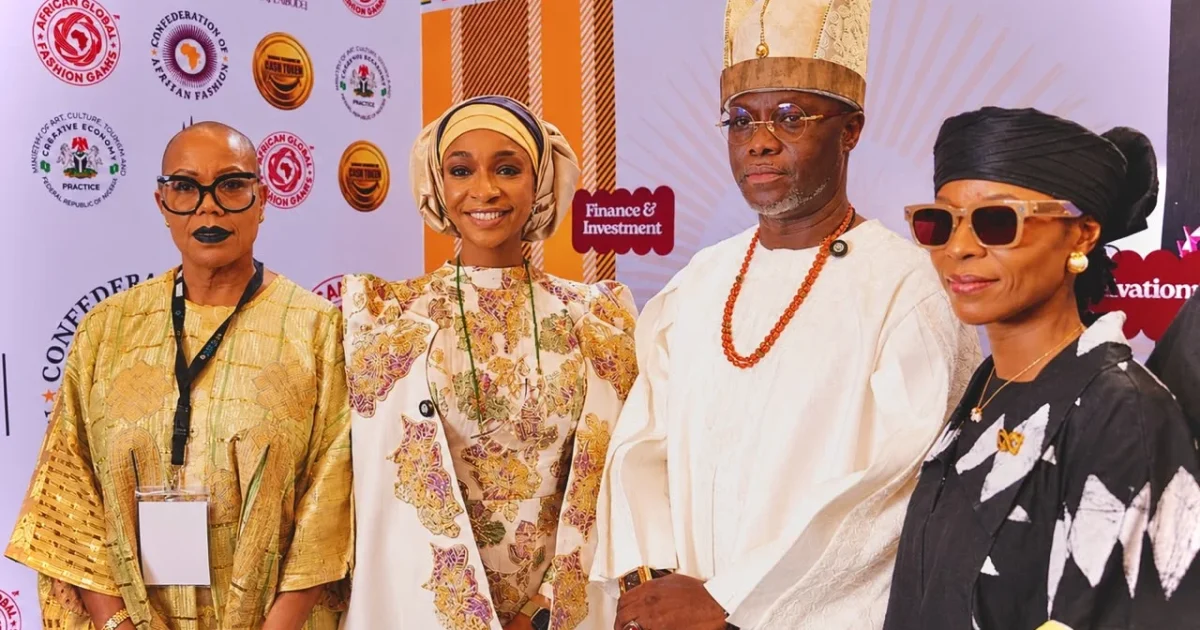
The Minister of Art, Culture, Tourism and the Creative Economy, Hannatu Musawa, has called for a united effort among African countries to improve textile production. She made this appeal during an event in Lagos marking the first anniversary of the African Fashion Industry Growth Charter.
Musawa emphasized the need for African nations to go beyond just celebrating fashion creativity. She stated that the continent must build the necessary structures and policies to make the fashion industry a significant source of jobs and economic growth. According to her, while African fashion has preserved cultural identity, it lacks the organization needed to compete globally.
During the event, Musawa highlighted that Nigeria was the first country to sign the Charter, which aims to create a framework for developing Africa’s fashion and textile industry. This includes improving production standards and protecting the rights of designers. She expressed hope that this initiative would create more job opportunities and thanked President Bola Tinubu for supporting the creative economy.
Aare Prof. Lai Labode, President of the Confederation of African Fashion, noted that Africa’s fashion industry is currently valued at about $60 billion but has the potential to reach $500 billion. He pointed out that many African countries grow cotton, yet the continent imports more textiles than it exports.
Labode mentioned that Rwanda is working towards joining the Charter, and discussions are ongoing with Liberia and Ghana. He also stated that the Confederation is collaborating with Nigeria’s government to promote the Charter at the African Union level.
To strengthen local manufacturing, Labode revealed plans for a central textile factory in partnership with Austria and Turkey. This facility would provide high-quality production and training for African designers. Additionally, major textile companies have shown interest in this initiative.
The renewed push for collaboration comes as part of broader efforts to enhance Africa’s creative economy. The African Union has identified several challenges, including limited access to finance and weak market structures, that hinder the growth of creative industries across the continent.
[logo-slider]