Nigeria Approves ₦130 Billion for Police Training and $850 Million World Bank Projects
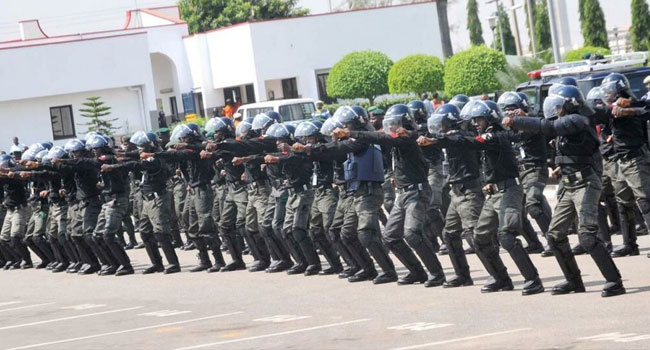
The National Economic Council (NEC) of Nigeria has approved an additional ₦130 billion to improve police training institutions across the country. This decision was made during a virtual meeting on Monday, led by Vice President Kashim Shettima. The new funding brings the total commitment for police training upgrades to ₦230 billion.
This latest allocation follows an initial ₦100 billion approved after President Bola Tinubu suggested forming a committee to oversee the improvements in October 2025. Enugu State Governor Peter Mbah, who leads this committee, reported that construction is currently underway at 13 locations, with about 30 percent of the work completed.
The additional funds aim to speed up infrastructure upgrades to support the recruitment and training of 50,000 new police officers. This is part of a broader plan to roll out state policing in Nigeria.
In another significant decision, the NEC endorsed two major projects backed by the World Bank, totaling $850 million. The first project, worth $350 million, is called the Accelerating Resilience through Investment Systems and Engagement (ARISE-Nigeria) Project. This six-year program aims to enhance the ability of federal and state governments to manage natural disasters like floods and droughts.
The second project is the State-Led Early Childhood Development Programme, which has $500 million in proposed funding and an additional $30 million grant. This initiative seeks to connect primary healthcare services with childcare and preschool programs across all states and the Federal Capital Territory.
During the meeting, the Minister of Finance, Taiwo Oyedele, shared positive news about the economy. Nigeria’s economy grew by 4.43 percent in the second quarter of 2026, and inflation has decreased for five months in a row, reaching 14.06 percent in October. However, he noted that high food prices and energy costs continue to burden households and businesses.
Vice President Shettima emphasized the importance of building strong institutions to support ongoing economic reforms. He called for cooperation between state governments and the National Identity Management Commission to improve citizen registration and reduce fraud in payroll and pensions.
[logo-slider]