
Nigeria’s Domestic Gas Supply Reaches 41.3% Amid Rising LPG Prices
Nigeria’s domestic gas market accounted for 41.3% of the country’s total gas supply in the first ten months of 2026, according to a report from the Nigerian Midstream and Downstream Petroleum Regulatory Authority. The average supply was about 2.04 billion cubic feet per day (bcf/d), while the total national supply averaged 4.95 bcf/d.
The remaining 58.7% of the gas supply went to Nigeria LNG Limited, which received an average of 2.91 bcf/d. In October, the total daily gas supply increased by 2.7% compared to September, reaching approximately 4.95 bcf/d. Domestic supply also grew, rising by 2.3% to about 2.11 bcf/d.
Gas deliveries to power plants saw a notable increase of 10% in October, reaching 0.57 bcf/d. However, supplies to commercial users decreased, and deliveries to the Escravos Gas-to-Liquids facility fell by 2%.
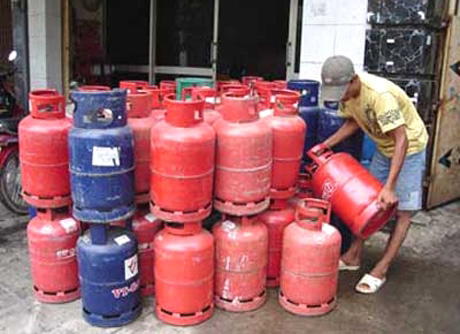
In addition to these changes, the price of liquefied petroleum gas (LPG), commonly known as cooking gas, rose by 12.5% in November, reaching ₦1,800 per kilogram. This price hike is attributed to limited supply, as the average depot price was ₦1,274.
Bassey Essien, the Executive Secretary of the Nigerian Association of Liquefied Petroleum Gas Marketers, emphasized the need for Nigeria to make its domestic gas market more appealing to ensure adequate supply. He stated that while gas exports bring in foreign currency, a strong domestic market is essential for securing local supplies.
Essien also pointed out that regulations alone cannot ensure gas delivery without proper infrastructure and payment systems. He highlighted the importance of connecting gas producers with those who have the infrastructure to utilize it effectively.
Experts, including Prof. Ken Ife from the ECOWAS Commission, stress that Nigeria must convert its vast gas reserves into reliable supplies for its economy while maintaining export revenues to support further investments.
[logo-slider]