
Effective Watering Methods for Small Farms During Nigeria’s Dry Season
Farmers in Nigeria face challenges during the dry season, especially when it comes to watering their crops. To succeed, it is crucial to choose the right watering method before planting seeds.
First, farmers need to find a reliable water source. This could be a stream, pond, well, or borehole. Officials in Oyo State have advised farmers to plant early and use irrigation due to forecasts of reduced rainfall. They noted that about 40% of the state’s water bodies are currently in use, indicating that other sources might be available.
There are several options for watering crops:
- Hand watering: Using buckets or watering cans is low-cost but requires significant time and effort. This method can lead to water waste if not done carefully.
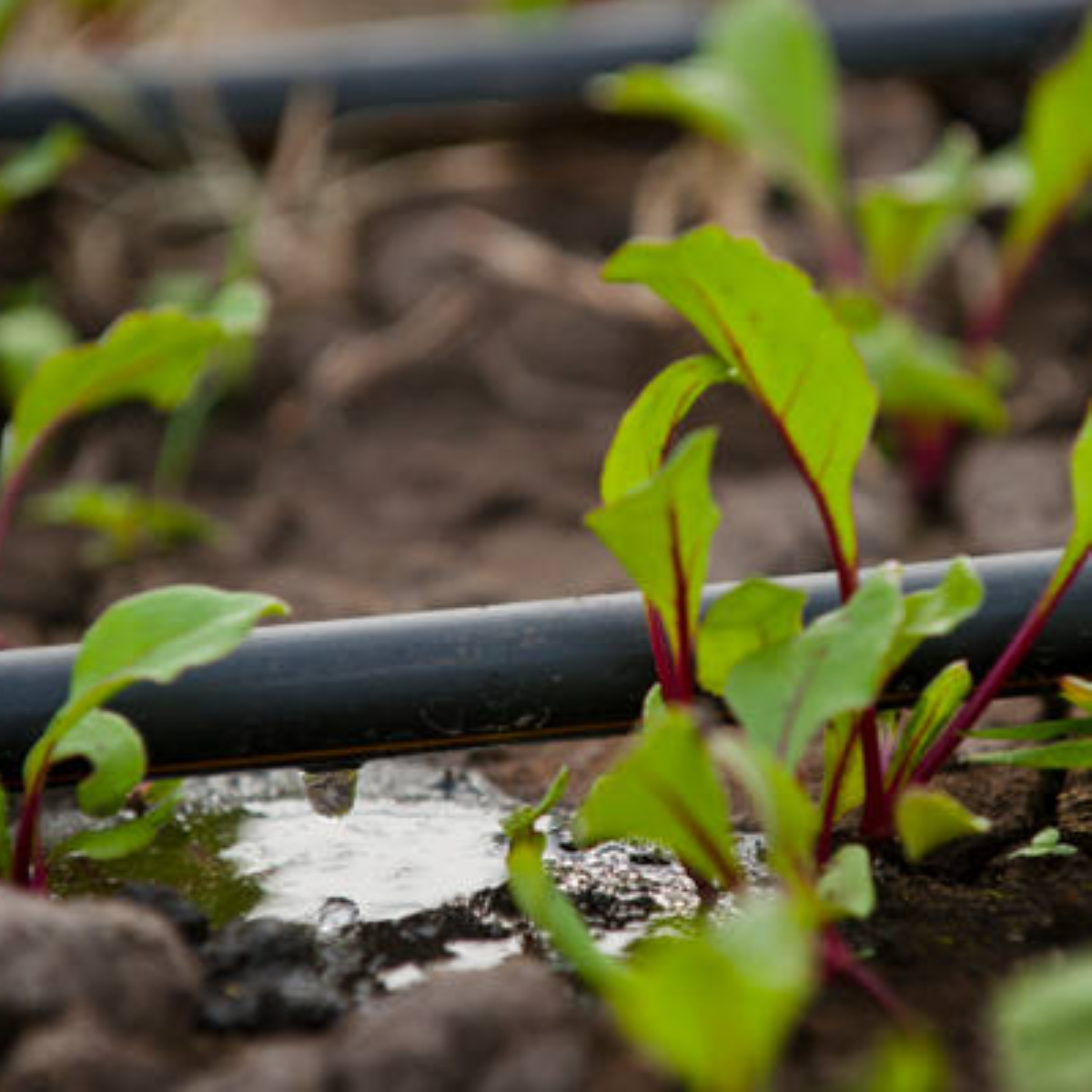
- Drip irrigation: This system delivers water directly to the roots of plants through pipes with small outlets. It is efficient, reducing water loss from evaporation and runoff.
- Pumps: Farmers can use human-powered pumps that do not require fuel, or petrol pumps, which are cheaper to buy but expensive to run due to fuel costs. Solar pumps have a higher initial cost but no ongoing fuel expenses.
Costs for drip irrigation kits can vary widely, ranging from around ₦150,000 for a small setup to over ₦890,000 for larger systems. Some states offer financial support for farmers adopting irrigation technologies.
The best watering method depends on the farm’s size, water availability, labor, and budget. Small plots might manage with hand watering, while larger farms may benefit from drip irrigation or pumps. Farmers should also ensure their water source can meet their needs throughout the dry season to avoid losses.
[logo-slider]